In modern automotive braking systems, particularly those equipped with turbocharged engines or advanced fuel-saving technologies, maintaining consistent and reliable brake booster operation is paramount. This is where the Brake Vacuum Tube Engine – Vacuum Pump becomes a critical component. It serves a singular, vital purpose: to generate and supply the necessary vacuum for the power brake booster when the engine itself cannot provide sufficient vacuum naturally.
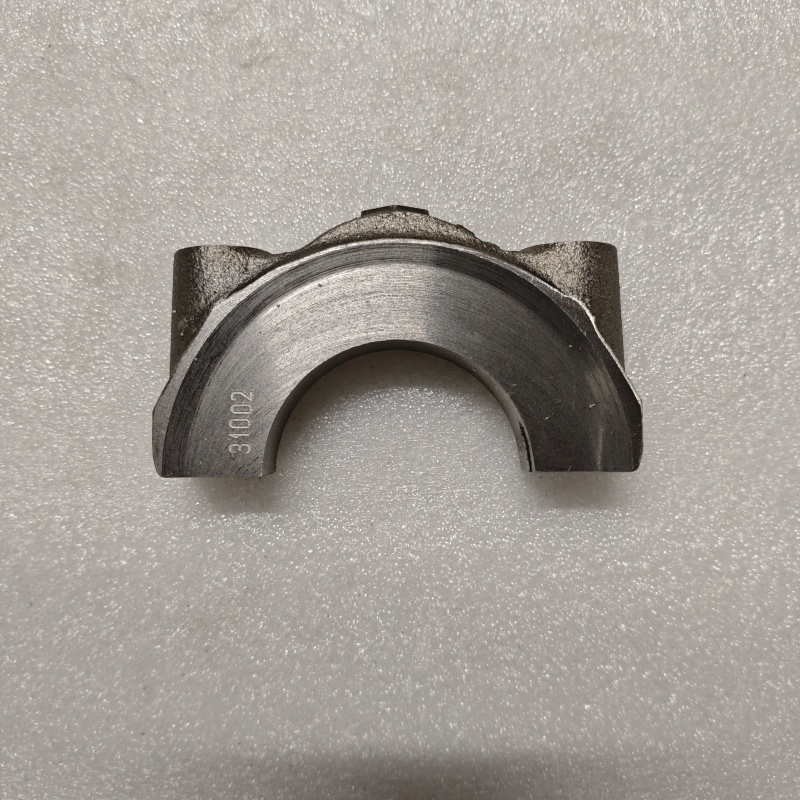
Traditionally, gasoline engines create ample intake manifold vacuum for the brake booster. However, in diesel engines, turbocharged applications, or vehicles with aggressive engine start-stop systems, this vacuum source is often weak or inconsistent. The Brake Vacuum Tube Engine – Vacuum Pump acts as an independent, electrically or mechanically driven solution. It ensures the brake booster receives a constant and adequate vacuum level, regardless of engine load or RPM. This guarantees that the driver experiences the same firm, responsive, and power-assisted braking feel at all times, enhancing both safety and driving confidence.
Typically installed on the engine and connected via a dedicated vacuum tube or hose to the brake booster, these pumps are engineered for durability and quiet operation. They are designed to withstand the harsh under-hood environment, including extreme temperatures and constant vibration. For vehicle owners and technicians sourcing replacement parts, selecting a high-quality Brake Vacuum Tube Engine – Vacuum Pump is essential. A properly functioning unit ensures the integrity of the entire power braking system, preventing issues like a hard brake pedal, increased stopping distances, and potential safety hazards. It is a key component in maintaining the vehicle’s original braking performance and safety standards.