The inner rim of the rear wheel, often referred to in technical specifications as "The Inner R Of The Rear Wheel", is a critical yet frequently overlooked component in a vehicle’s wheel assembly. This specific area is the interior surface of the wheel’s rim, directly facing the brake components and suspension parts. Its precise dimensions and structural integrity are paramount for ensuring proper fitment, optimal performance, and overall safety.
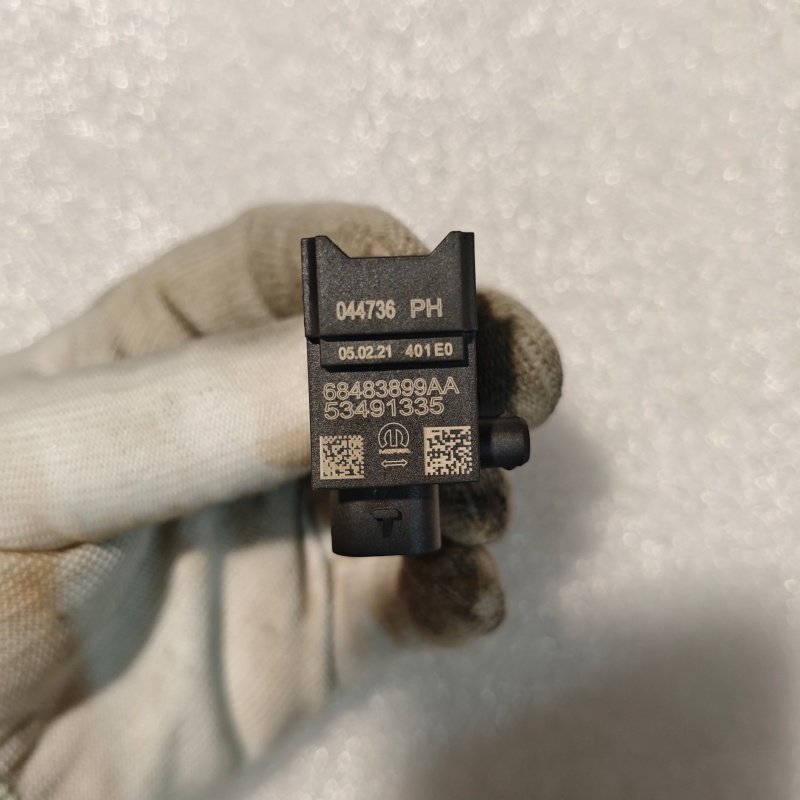
In the context of automotive parts, this inner section plays several vital roles. Primarily, it must provide adequate clearance for the rear brake calipers, rotors, and any associated dust shields. Insufficient space here can lead to catastrophic rubbing and component failure. Furthermore, the contour and design of the inner rim influence airflow around the brakes, affecting cooling efficiency—a key factor in high-performance or heavy-duty driving conditions. For vehicles equipped with all-wheel drive or rear-wheel drive systems, where the rear wheels manage power delivery and traction, a robust inner rim construction is essential for handling torque stresses and maintaining wheel rigidity.
When selecting aftermarket wheels or replacement parts, precise measurements of this inner area are non-negotiable. Factors such as offset, backspacing, and barrel design all relate to the geometry of the inner rim. A correct fit ensures not only that the wheel seats perfectly on the hub but also that it maintains the intended vehicle dynamics and suspension geometry. For any enthusiast or technician, understanding the importance of this component is fundamental to making informed decisions that enhance both the vehicle’s functionality and aesthetic appeal, guaranteeing that upgrades contribute to a safer and more capable drive.