Intake Temperature Sensor
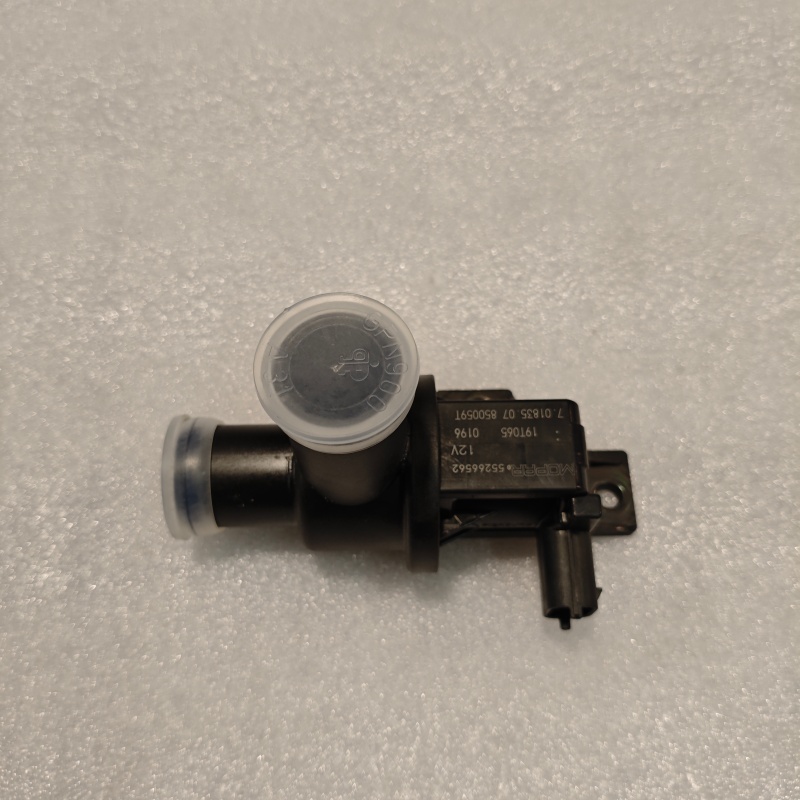
A critical component within a modern vehicle’s engine management system is the Intake Temperature Sensor. This sensor, often abbreviated as IAT, is responsible for precisely measuring the temperature of the air entering the engine’s intake manifold. This data is continuously transmitted to the Engine Control Unit (ECU), the vehicle’s primary computer.
The ECU uses this temperature reading to calculate the density of the incoming air. Since cold air is denser than warm air, it contains more oxygen molecules per unit volume. By knowing the air density, the ECU can determine the optimal amount of fuel to inject for a perfect air-fuel mixture, a process essential for efficient combustion. Accurate readings from the IAT sensor are therefore fundamental to engine performance, fuel economy, and emission control. In colder temperatures, the ECU will enrich the fuel mixture, while in hotter conditions, it will lean it out.
A faulty or failing Intake Temperature Sensor can lead to a range of driveability issues. Common symptoms include poor fuel economy, rough idling, hesitation during acceleration, and increased tailpipe emissions. In many cases, the ECU will detect an implausible signal from the sensor and trigger the check engine light, storing a corresponding diagnostic trouble code.
Typically mounted in the intake air duct or integrated into the Mass Air Flow (MAF) sensor assembly, this component is vital for the engine’s precise operation. For optimal performance and compliance with emission standards, ensuring a properly functioning Intake Temperature Sensor is crucial for any vehicle.