The Crankshaft Signal Wheel, also known as a reluctor wheel or tone wheel, is a fundamental component in a modern vehicle’s engine management system. Mounted directly onto the crankshaft, this precisely machined wheel features a series of evenly spaced teeth, often with one or two gaps or missing teeth to establish a reference point. As the crankshaft rotates, this wheel spins in tandem with the engine’s pistons.
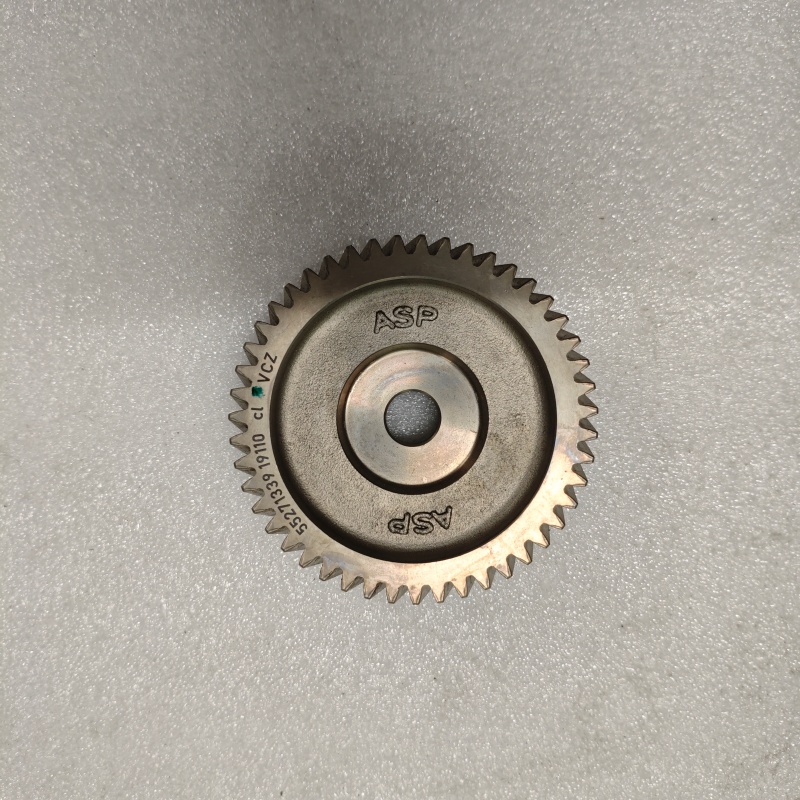
Its primary function is to provide the engine control unit (ECU) with real-time, critical data regarding crankshaft position and rotational speed. A stationary sensor, positioned a small distance from the wheel, detects the passing of each tooth. This generates a fluctuating voltage signal that is transmitted to the ECU. By analyzing the frequency of these pulses, the ECU calculates precise engine speed (RPM). The reference gap allows the ECU to determine the exact angular position of the crankshaft, enabling it to synchronize the timing of fuel injection and ignition spark with absolute accuracy.
The integrity of the Crankshaft Signal Wheel is paramount for optimal engine performance, fuel efficiency, and emissions control. Any damage, such as a bent wheel, missing teeth, or excessive buildup of debris, can corrupt the signal. This typically results in immediate drivability issues including hard starting, rough idling, engine misfires, stalling, or a complete failure to start. In such cases, diagnosis with a scan tool often reveals crankshaft position sensor-related fault codes. Replacement requires ensuring the new wheel is an exact match for the engine’s specifications, as tooth count and pattern are unique to each application. A properly functioning signal wheel is essential for the seamless operation of all engine management strategies.