Left Front Fender Movement
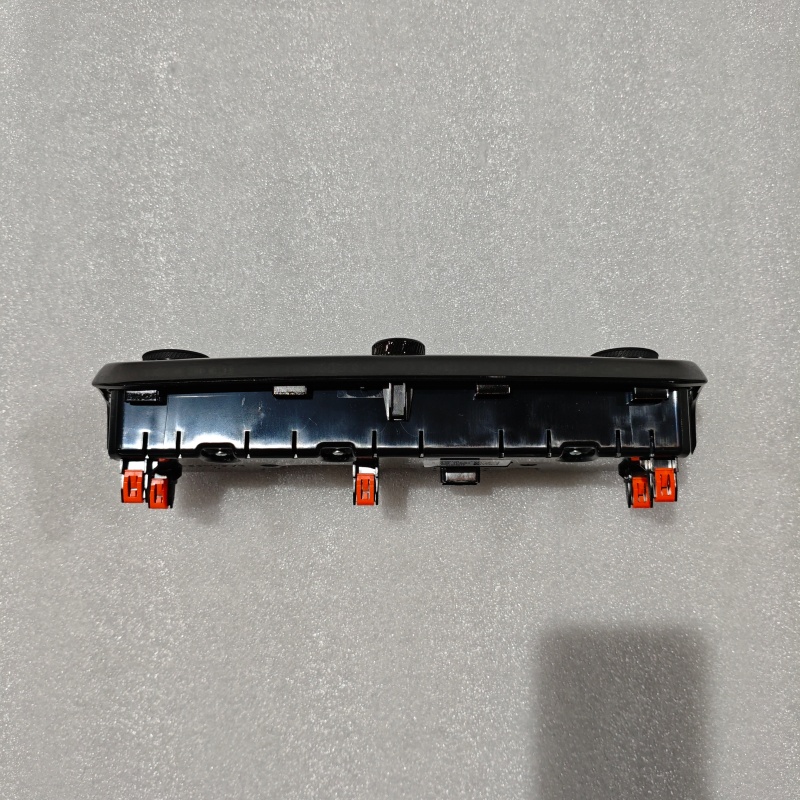
In the intricate world of automotive body components, precision and proper fitment are paramount. The Left Front Fender Movement refers to the specific range of motion and positional adjustment designed into the left front fender and its mounting system. This engineered movement is not a defect but a critical feature for vehicle integrity, safety, and performance.
A rigid, immobile fender would be highly susceptible to damage. Therefore, controlled movement is built into its attachment points. This allows the fender to absorb and dissipate minor impacts from road debris or slight contact, preventing more severe damage to underlying structures. More importantly, this movement accommodates the natural flex and vibration of the vehicle’s chassis during driving. As the frame and suspension articulate over varying road surfaces, a fender without designed movement could develop stress cracks, cause fastener failure, or produce unwanted noise.
When replacing a left front fender, understanding this principle is crucial. An aftermarket or OEM replacement part must replicate the original equipment’s intended movement. Proper installation involves correctly torquing fasteners to specification and ensuring all alignment shims or slotted mounting points are used as designed. Ignoring these factors can result in a panel that is misaligned, prone to rattling, or interferes with the opening and closing of the adjacent door or hood. Ultimately, respecting the engineered Left Front Fender Movement ensures a seamless fit, long-lasting durability, and the preservation of your vehicle’s aerodynamic profile and aesthetic lines.