Upstream Of Oxygen Sensor
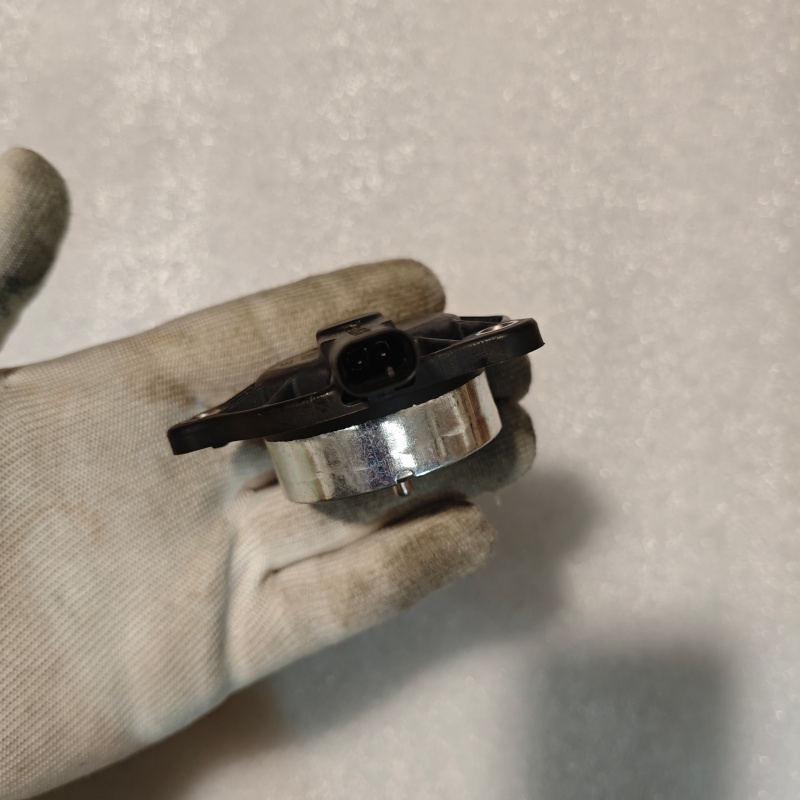
In modern vehicle emissions control systems, the position and function of an oxygen sensor are critical for optimal engine performance and environmental compliance. The term "Upstream Of Oxygen Sensor" specifically refers to the primary sensor located in the exhaust manifold before the catalytic converter. This precise placement is fundamental to the engine management system’s closed-loop feedback.
The upstream oxygen sensor, often called the pre-cat sensor, plays a pivotal role by continuously monitoring the percentage of unburned oxygen in the exhaust gases exiting the engine cylinders. It sends rapid, real-time voltage signals to the vehicle’s Engine Control Unit (ECU). The ECU interprets this data to dynamically adjust the air-fuel mixture entering the combustion chambers. The goal is to maintain the ideal stoichiometric ratio for efficient combustion, maximizing fuel economy, ensuring smooth engine operation, and minimizing raw hydrocarbon emissions before the exhaust stream reaches the catalytic converter.
A faulty or degraded sensor in this upstream position can lead to a cascade of issues. The ECU loses its primary source of critical data, often resulting in an incorrect fuel mixture. Symptoms include poor fuel efficiency, rough idling, engine hesitation, and a noticeable increase in harmful tailpipe emissions. Furthermore, a malfunctioning upstream sensor can cause undue stress and reduce the effectiveness of the downstream catalytic converter. Therefore, ensuring this specific component—the upstream oxygen sensor—is in perfect working order is essential for maintaining engine health, performance, and meeting emission standards. When replacement is necessary, selecting a high-quality, direct-fit sensor designed for this upstream location is crucial for proper system integration and long-term reliability.