The Differential Pressure Sensor Chai is a critical electronic monitoring device in modern vehicle emission control and engine management systems. Its primary function is to measure the pressure difference between two points, most commonly across key components like the diesel particulate filter (DPF) or the gasoline particulate filter (GPF). This precise measurement is essential for ensuring optimal engine performance, fuel efficiency, and compliance with stringent environmental regulations.
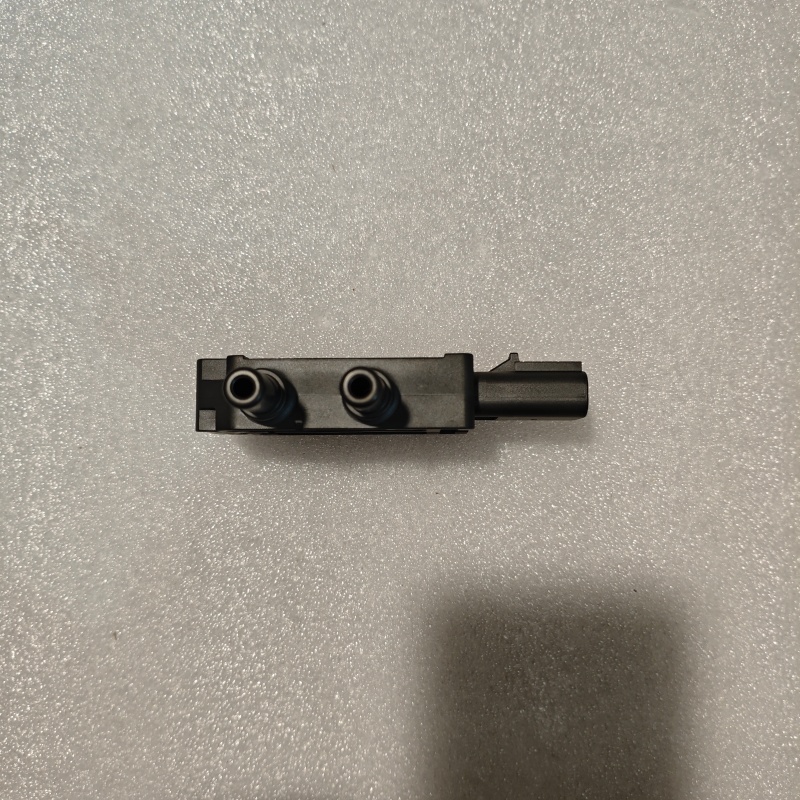
In diesel applications, the sensor continuously monitors the buildup of soot within the DPF. As the filter traps particulate matter, the exhaust gas pressure before the filter increases relative to the pressure after it. The Differential Pressure Sensor Chai relays this data to the engine control unit (ECU). The ECU uses this information to determine when the filter is becoming saturated and initiates a regeneration cycle to burn off the accumulated soot, thereby cleaning the filter and maintaining proper exhaust flow. Similarly, in gasoline engines equipped with GPFs, the sensor plays a vital role in monitoring filter status for efficient operation.
A faulty or failing sensor can lead to incorrect readings, causing a range of issues. These include unnecessary or failed regeneration cycles, reduced engine power, decreased fuel economy, and ultimately, potential damage to the DPF/GPF itself. Consequently, the illumination of the check engine light is a common symptom. When replacement is necessary, it is crucial to select a high-quality Differential Pressure Sensor Chai that meets or exceeds original equipment specifications. Proper installation ensures accurate data transmission, allowing the vehicle’s emission system to function as designed, protecting the engine and minimizing its environmental impact.