The Brake Disc Assembly Fuel Tank is a critical component within a vehicle’s integrated safety and operational systems. While seemingly distinct in function, these two assemblies represent the synergy between a car’s stopping power and its energy storage capabilities. Optimal vehicle performance relies on both systems operating flawlessly and in harmony.
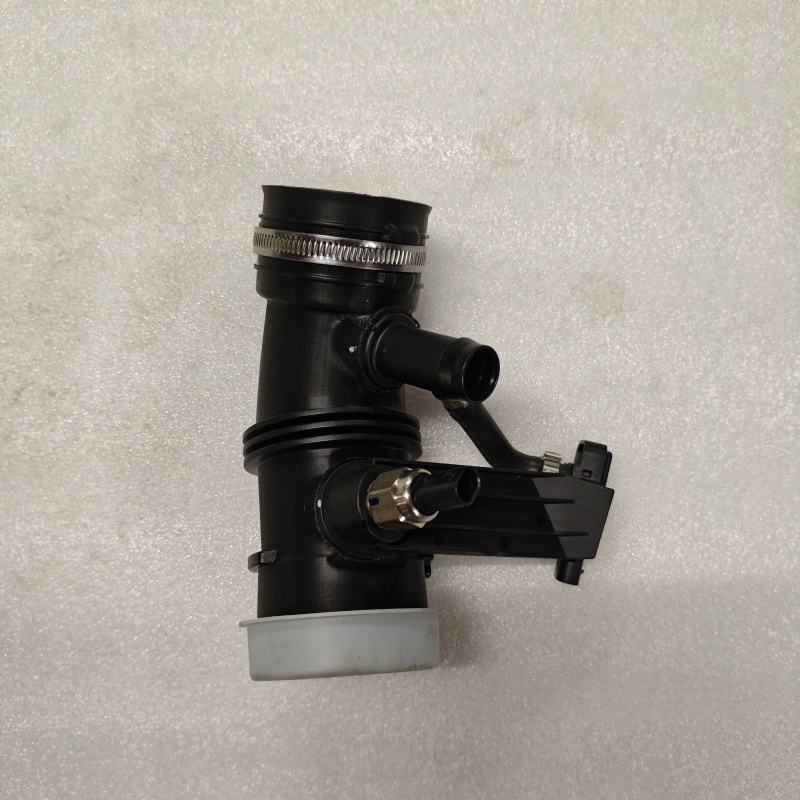
The brake disc assembly is fundamental to the vehicle’s deceleration and safety. Comprising the rotor, caliper, and pads, it converts kinetic energy into thermal energy through friction, allowing for controlled stopping. Its performance is non-negotiable for driver safety and responsiveness. Equally vital is the fuel tank, the secure reservoir for the vehicle’s gasoline or diesel. Designed for durability and safety, it stores the energy required for propulsion. The materials and construction of both the brake disc assembly and the fuel tank are engineered to withstand extreme conditions—from the intense heat generated during braking to the volatile nature of fuel and environmental exposure.
For automotive engineers and parts specialists, understanding the specifications and compatibility of the Brake Disc Assembly Fuel Tank as part of a broader vehicle system is essential. Each must meet stringent manufacturer standards for material integrity, capacity, and thermal management. On an automotive parts website, highlighting the precision engineering and reliability of these components assures customers of their vehicle’s safety and efficiency. Regular inspection and timely replacement of these assemblies are paramount for maintaining peak vehicle performance and ensuring long-term operational safety on the road.