Disc Angle Tooth Front Modification represents a significant advancement in brake system design, specifically engineered to elevate performance and address common issues in high-demand applications. This technology involves a precise machining process that alters the leading edge of the brake disc’s friction surface. The primary objective is to mitigate noise, reduce uneven pad wear, and improve initial bite characteristics during braking.
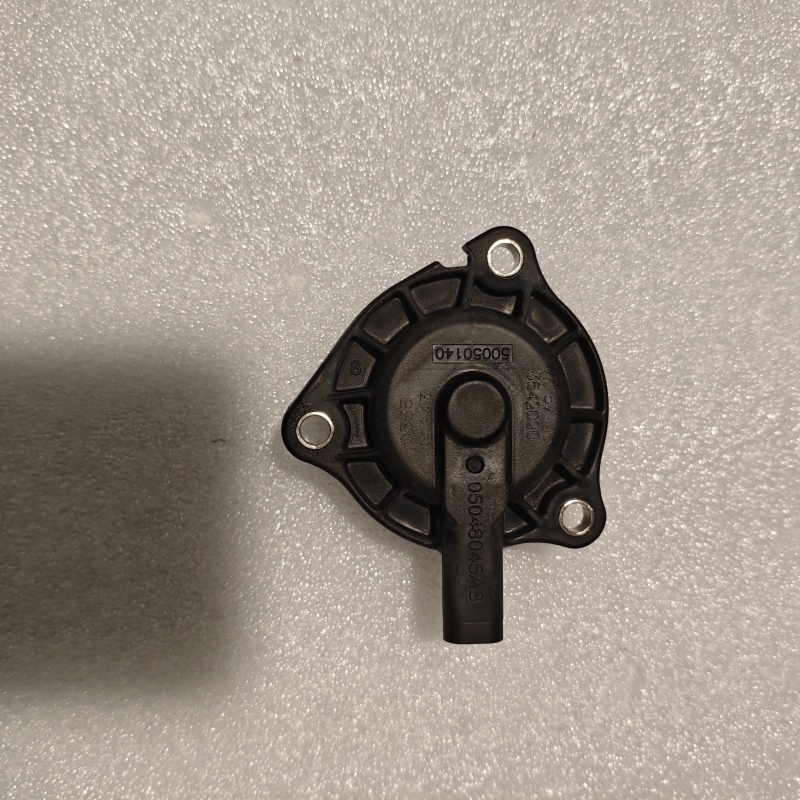
The science behind this modification is focused on the interaction between the brake pad and the disc. As the pad contacts the rotor, the modified angle on the teeth or grooves at the front of the swept area helps to sweep away microscopic debris and gas buildup more efficiently. This leads to a more consistent and stable friction coefficient from the very first application. For performance vehicles, track-day cars, and heavy-duty applications, this translates to more predictable and responsive braking feel, especially under high thermal loads. The reduction in resonant frequencies also contributes to a quieter operation, eliminating common brake squeal.
For consumers browsing an automotive parts website, understanding this feature is key. It indicates a product designed with attention to detail that goes beyond standard manufacturing. A brake disc featuring Disc Angle Tooth Front Modification is not just a replacement part; it is a performance upgrade. It offers tangible benefits in daily driving through enhanced comfort and reliability, while providing a critical edge in more extreme conditions by maintaining optimal pad-to-disc contact. When selecting performance rotors, this modification serves as a mark of advanced engineering aimed at delivering superior overall braking dynamics, durability, and driver confidence.